
What happened to the people in hiding after their refuge was betrayed
On the morning of August 4, 1944, the silence of the Secret Annex was abruptly broken. After more than two years in hiding, the eight occupants were discovered and arrested by the German security police. Their hiding place had been betrayed, although the identity of the informant has never been definitively proven. Within hours, the fragile world they had built behind the hidden bookcase came to an end.
Following their arrest, Anne Frank, her family, and the others in hiding were first taken to Gestapo headquarters in Amsterdam. They were interrogated and imprisoned before being transferred to Westerbork transit camp in the north of the Netherlands. At Westerbork, they were classified as criminal prisoners due to their time in hiding, which subjected them to harsher conditions and forced labor.
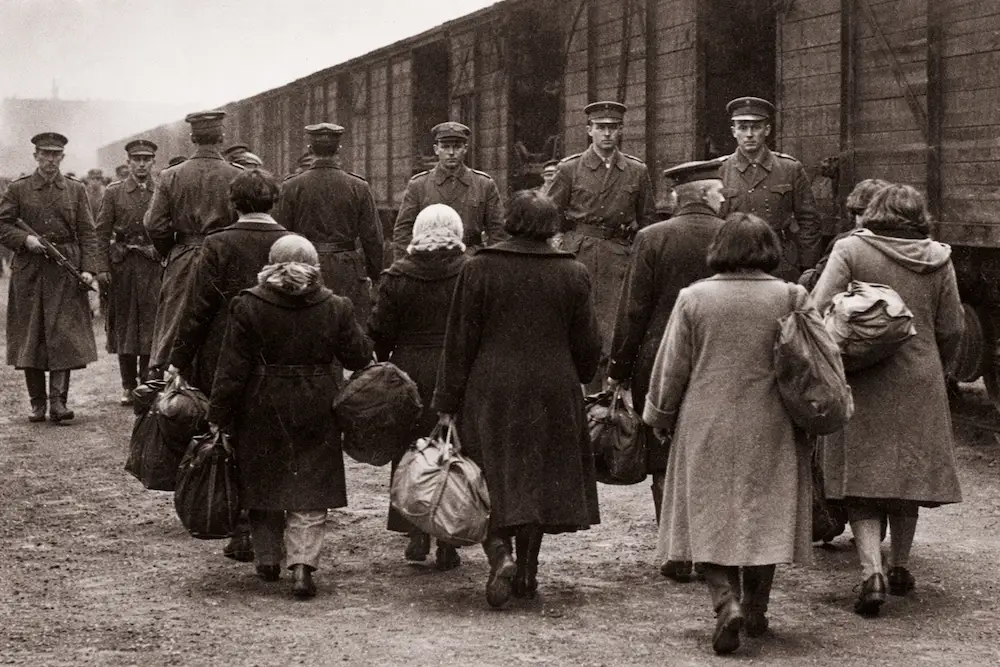
In September 1944, the group was deported on the last transport from Westerbork to Auschwitz-Birkenau. Upon arrival, men and women were separated. Otto Frank was sent to the men’s camp, while Anne, her mother Edith, and her sister Margot were sent to the women’s section. The conditions were brutal, marked by overcrowding, hunger, disease, and constant fear.
Later in the autumn of 1944, Anne and Margot were transferred to Bergen-Belsen concentration camp in Germany. Already weakened, they were exposed to extreme cold, lack of food, and a devastating typhus epidemic. Both sisters died in early 1945, only weeks before the camp was liberated by Allied forces.
The arrest and imprisonment of the people from the Secret Annex reflect the tragic fate of millions of Jews during the Holocaust. Their story, preserved through Anne Frank’s diary, offers a personal perspective on the systematic destruction of lives and families. It stands as a stark reminder of the consequences of hatred, betrayal, and silence, and of the importance of remembrance.