
How a simple flower became a universal symbol of Van Gogh’s art
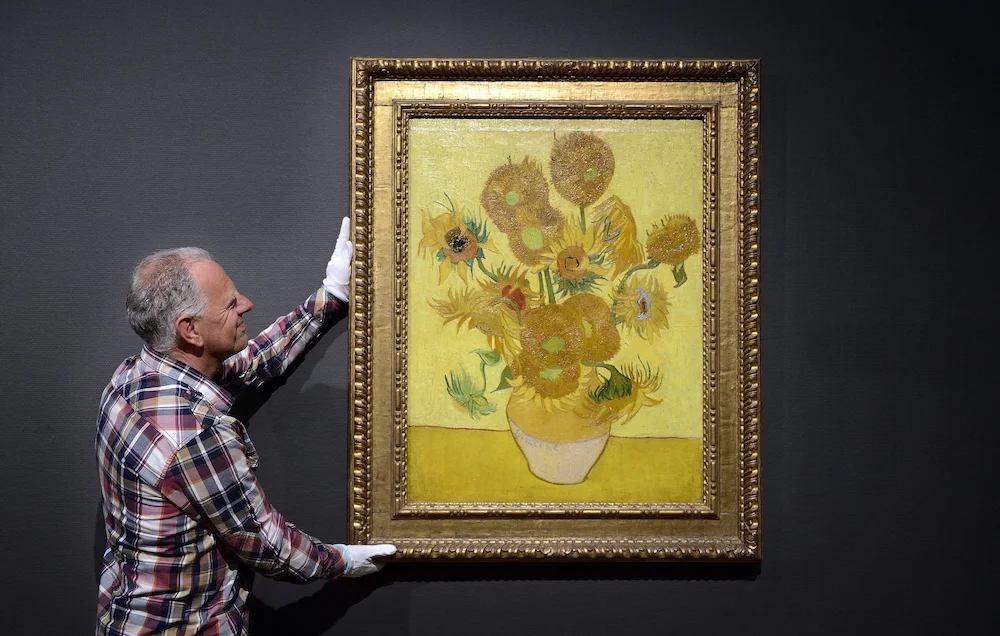
The Sunflowers are among Vincent van Gogh’s most famous and instantly recognizable paintings, yet their story goes far beyond their bright yellow petals. Painted between 1888 and 1889 in Arles, these works were created during a period of intense creativity and hope in Van Gogh’s life. He imagined the sunflowers as a symbol of friendship, warmth and artistic ambition, decorating his home in preparation for the arrival of fellow artist Paul Gauguin.
Van Gogh painted multiple versions of the Sunflowers, exploring variations in color, composition and texture. At the time, the use of such strong yellows was bold and unconventional. For Van Gogh, yellow represented light, life and emotional intensity. The thick layers of paint and visible brushstrokes give the flowers a sense of movement, making them feel alive rather than static.
Beyond their visual impact, the Sunflowers reflect Van Gogh’s desire to express emotion through color rather than realism. He was less interested in botanical accuracy than in conveying how the flowers made him feel. This approach marked a turning point in modern art, influencing generations of artists who would follow.
Seeing the Sunflowers at the Van Gogh Museum offers a deeper understanding of their power. Up close, visitors can observe the texture of the paint and the subtle variations in tone that reproductions cannot capture. These paintings are not just decorative