
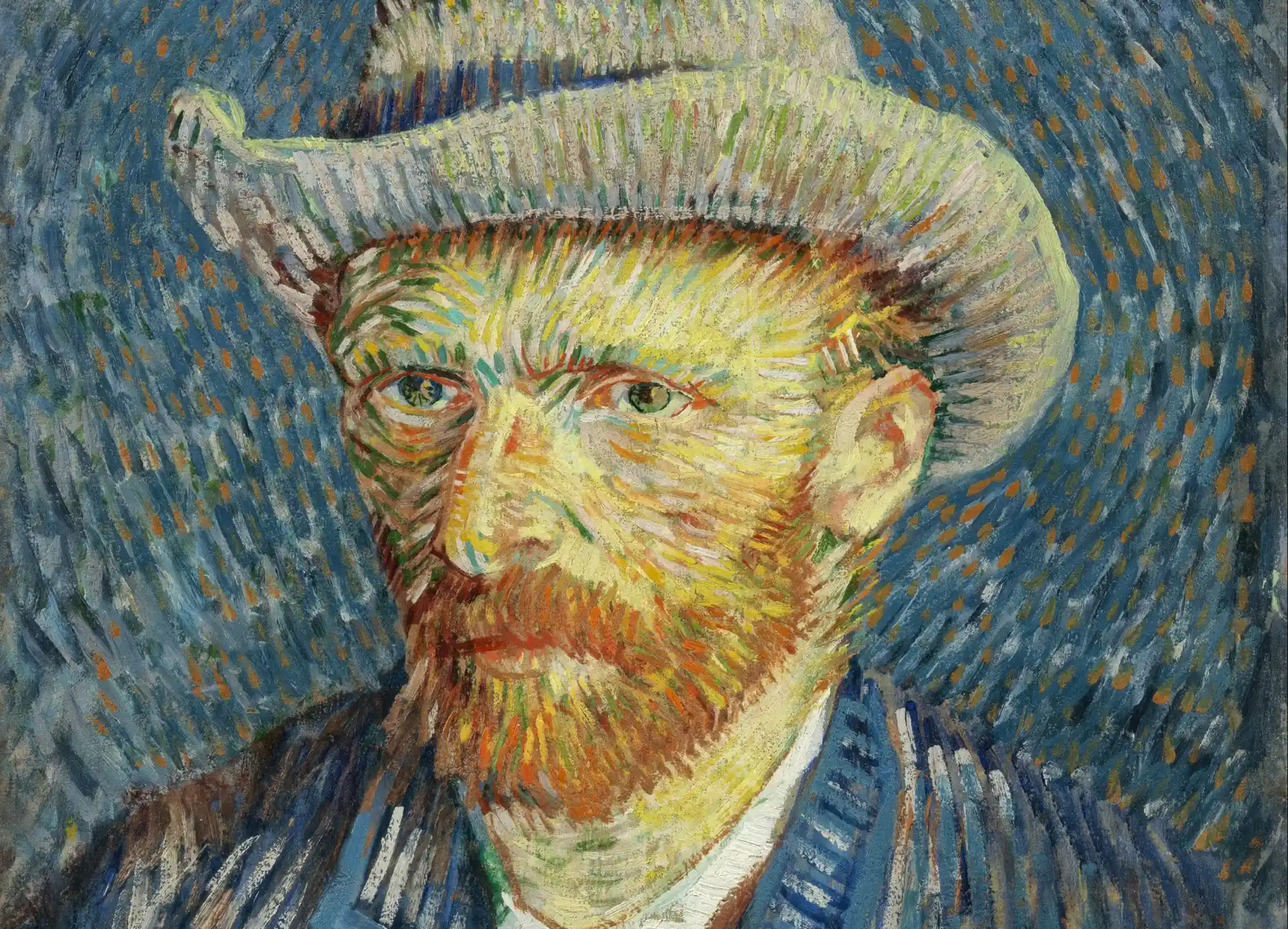
The life, struggles and vision of one of history’s most influential artists
Vincent van Gogh was not simply a painter, he was a man driven by an intense need to express what he felt about the world around him. Born in 1853 in the Netherlands, his life was marked by constant searching, emotional turmoil and an almost obsessive dedication to art. Before becoming an artist, Van Gogh tried several paths, including working as an art dealer and even considering a religious vocation, but none of these gave him the sense of purpose he was looking for.
It was relatively late, in his late twenties, that he fully committed to painting. In less than ten years, he produced an extraordinary body of work, more than 2,000 artworks including paintings, drawings and sketches. His style evolved rapidly, from dark, earthy tones inspired by Dutch rural life to the vibrant colors and expressive brushstrokes that would later define his most famous works.
Van Gogh’s life was deeply connected to his inner struggles. He faced poverty, isolation and mental illness, relying heavily on the support of his brother Theo, with whom he exchanged hundreds of letters. These letters reveal a sensitive, thoughtful and highly articulate man, constantly questioning his art and his place in the world.
Today, Van Gogh is recognized as one of the most important figures in modern art. His paintings are admired not only for their bold use of color and movement, but also for the raw emotion they convey. Visiting the Van Gogh Museum allows you to follow his journey closely, understanding how his life experiences shaped the masterpieces that continue to move millions of people around the world.