
How hardship shaped one of the greatest artistic legacies
Vincent van Gogh’s path to recognition was marked by constant struggle. During his lifetime, he lived in poverty, depended financially on his brother Theo and sold very few paintings. His work was often misunderstood, criticized or ignored, leaving him isolated at a time when he needed connection the most.
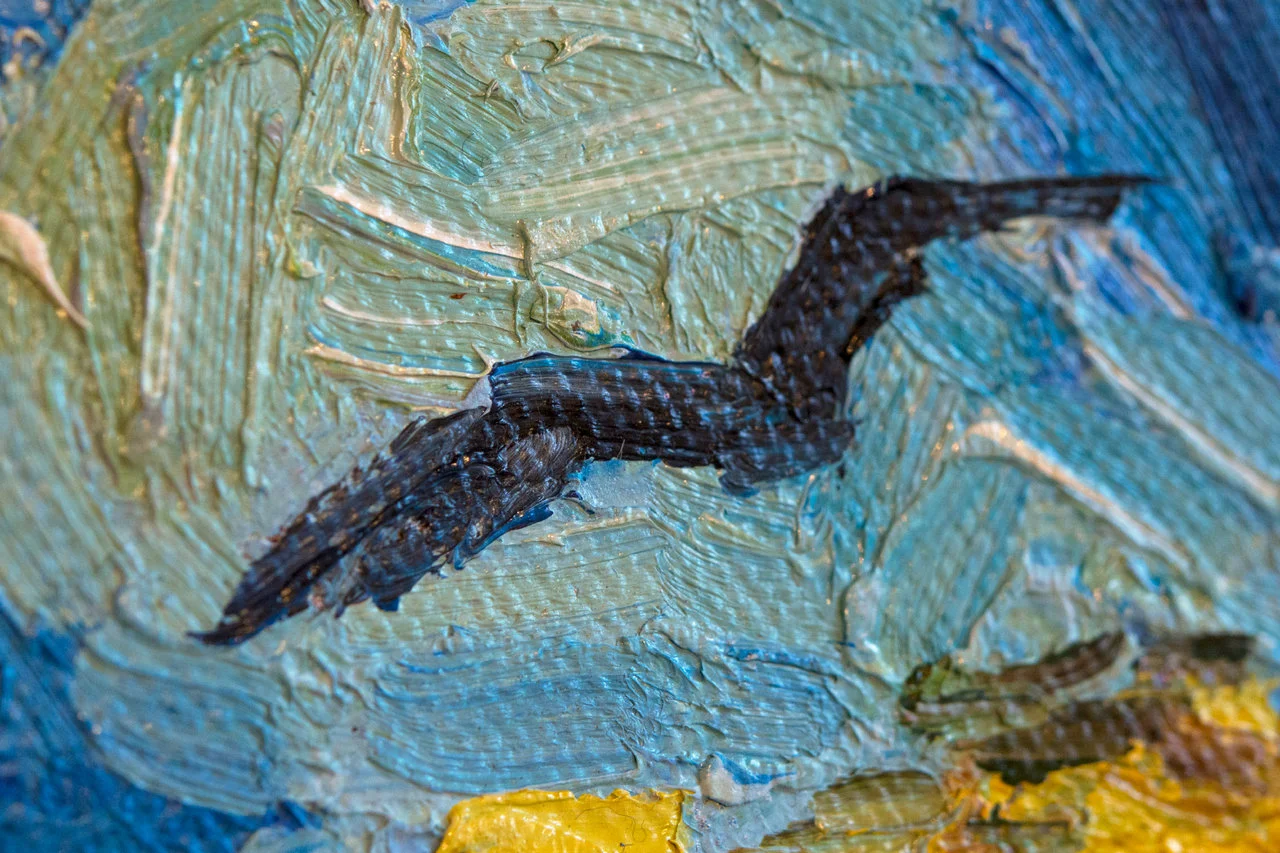
Despite these hardships, Van Gogh never stopped painting. On the contrary, moments of difficulty often fueled his creativity. He worked with urgency and intensity, producing canvases at a remarkable pace, as if painting were both a necessity and a form of survival. Each brushstroke carried emotion, tension and a deep need to communicate what words could not express.
Van Gogh’s struggles were not only financial or social, but deeply personal. Mental illness played a significant role in his life, shaping both his perception of the world and his artistic expression. Rather than hiding this fragility, his paintings reveal it openly, transforming pain into powerful visual language. This honesty is one of the reasons his work feels so immediate and timeless today.
Recognition came only after his death, when the strength and originality of his work began to be fully understood. What was once seen as unconventional became revolutionary. Today, Van Gogh’s paintings are considered masterpieces, admired for their emotional depth, bold colors and expressive force.
At the Van Gogh Museum, this journey from struggle to mastery becomes tangible. Visitors can follow the evolution of his work and see how adversity shaped an artistic legacy that continues to resonate across generations.